One of the most common questions we get is about sizing: is a 12.5KW mainline protector enough, or should you go bigger? The answer depends entirely on your connected load — here's how to work it out.
Calculating Your Actual Load
Add up the rated power (in kW) of everything that will run through the protector simultaneously — CNC machines, compressors, motors, HVAC, lighting circuits, etc. The 12.5KW rating should comfortably exceed your typical peak load, not just your average load, to avoid nuisance tripping during startup surges.
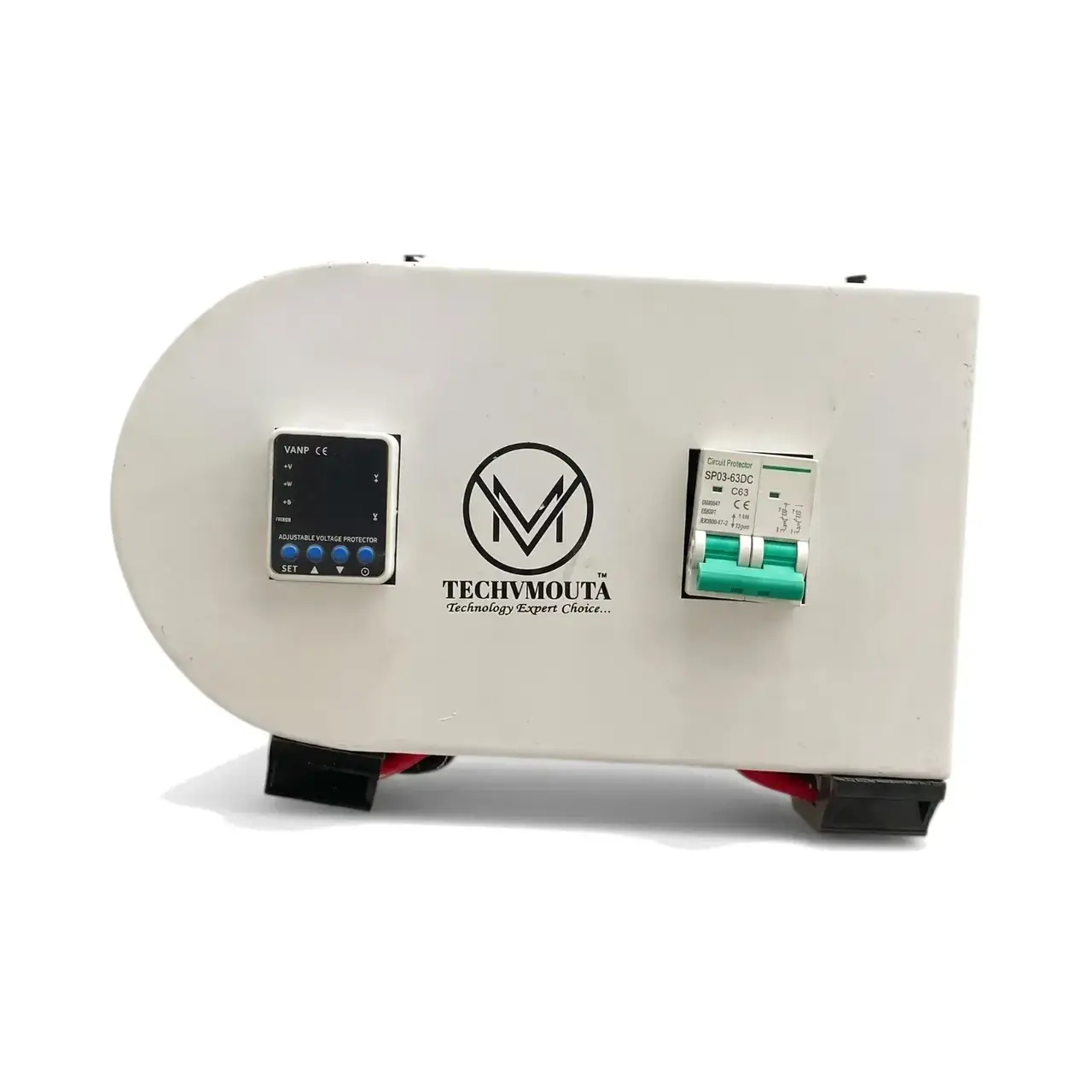
When 12.5KW Is the Right Fit
A 12.5KW single-phase protector is well suited for:
- Small to mid-sized CNC workshops with 1-2 machines running at a time
- Commercial properties with moderate HVAC and lighting load
- Retail or office spaces with standard electrical equipment
- Homes with heavy appliance use (though most homes need far less)
When You Should Consider a Larger Capacity
If you're running multiple heavy machines simultaneously, industrial-grade compressors, or planning to scale up equipment in the near future, it's worth looking at TechVMouta's 15KW option instead — sizing up slightly gives you headroom rather than needing to replace the unit later as your load grows.
A Simple Way to Check Your Own Numbers
List every machine and circuit that can be switched on at the same time, write down the rated kW of each, and add them up. Then compare that total with 12.5KW. If your peak sits well below the rating, the 12.5KW protector gives you a comfortable margin. If the total is close to 12.5KW, or if you expect to add a machine within a year, the larger option is usually the more economical choice because you avoid replacing the unit later.
Why Startup Surges Matter More Than Running Load
Motors, compressors and HVAC units draw a much higher current for a brief moment when they start than while they are running. A protector that is sized only for the average running load can interpret that surge as a fault and trip when it should not. This is why the guide recommends sizing against the peak load, not the average. Single-phase and three-phase versions are both available, so also confirm the type of supply at your site before you choose; you can compare the options on the Mainline Protector page.
Remember that a protector protects the supply to your equipment, so it works best alongside correct wiring and good earthing. If you are unsure about either, ask a qualified electrician to check your installation before you fit any protection device, and share the connected load with our team so we can confirm the right rating.
Not Sure Which Size You Need?
Tell us about your setup and we'll help you calculate the right mainline protector capacity.
Get a Quote on WhatsApp