When comparing motors for continuous-duty applications like commercial oil expellers, the winding material — copper or aluminium — significantly affects performance, heat handling, and long-term reliability. Here's how the two compare for this specific use case.
Electrical and Thermal Properties
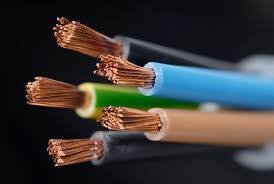
Copper has notably higher electrical conductivity than aluminium, meaning a copper winding of the same size carries current more efficiently and generates less resistive heat. For motors that run continuously for hours — like those in oil expellers — this heat difference matters over the life of the machine.
Durability Under Continuous Load
Oil expeller motors work under sustained mechanical load, often for 8+ hours a day. Copper's higher tensile strength and better resistance to thermal fatigue make it more tolerant of this continuous stress compared to aluminium, which is softer and more prone to expansion-related wear over repeated heating and cooling cycles.
- Heat Resistance: Copper handles sustained thermal load with less degradation.
- Longevity: Copper windings typically outlast aluminium under continuous industrial use.
- Size Efficiency: Copper carries more current in less space, allowing more compact motor designs.
The Trade-Off: Cost
Copper costs more than aluminium, which is why some budget machines use aluminium windings to reduce upfront price. For a machine that will run daily for years, the reliability and reduced failure risk of copper generally outweighs the higher initial cost — which is why TechVMouta uses copper winding across its oil expeller range.
Ask Us About Our Motor Construction
Have questions about the winding material or build quality in our machines? Our team is happy to explain.
Get a Quote on WhatsAppFrequently Asked Questions
Q: Why does copper winding matter in oil expeller motors?
Copper has higher electrical conductivity than aluminium, so a copper winding of the same size carries current more efficiently and generates less resistive heat — important for motors running continuously for hours in oil expellers.
Q: Is aluminium winding ever a reasonable choice?
Aluminium costs less, which is why some budget machines use it to reduce upfront price. But for a machine running daily for years, copper's reduced failure risk generally outweighs the higher initial cost.
Q: What winding material does TechVMouta use in its oil expellers?
TechVMouta uses copper winding across its oil expeller range for better heat resistance and longevity under continuous industrial load.